
The CIPHER Learning Community, Umoja-ASTEP Learning Community, Black and Brown Scholars, and ASSC hosted the Black History 101 Mobile Museum, showcasing to students artifacts that aim to share powerful stories this Black History Month.
With over 30 years in service, the Mobile Museum has collected over 15,000+ artifacts from shackles used during the period of slavery, signed documents from the civil rights movement, autographed Michael Jackson albums, and pins from the 2020 Black Lives Matter protests.
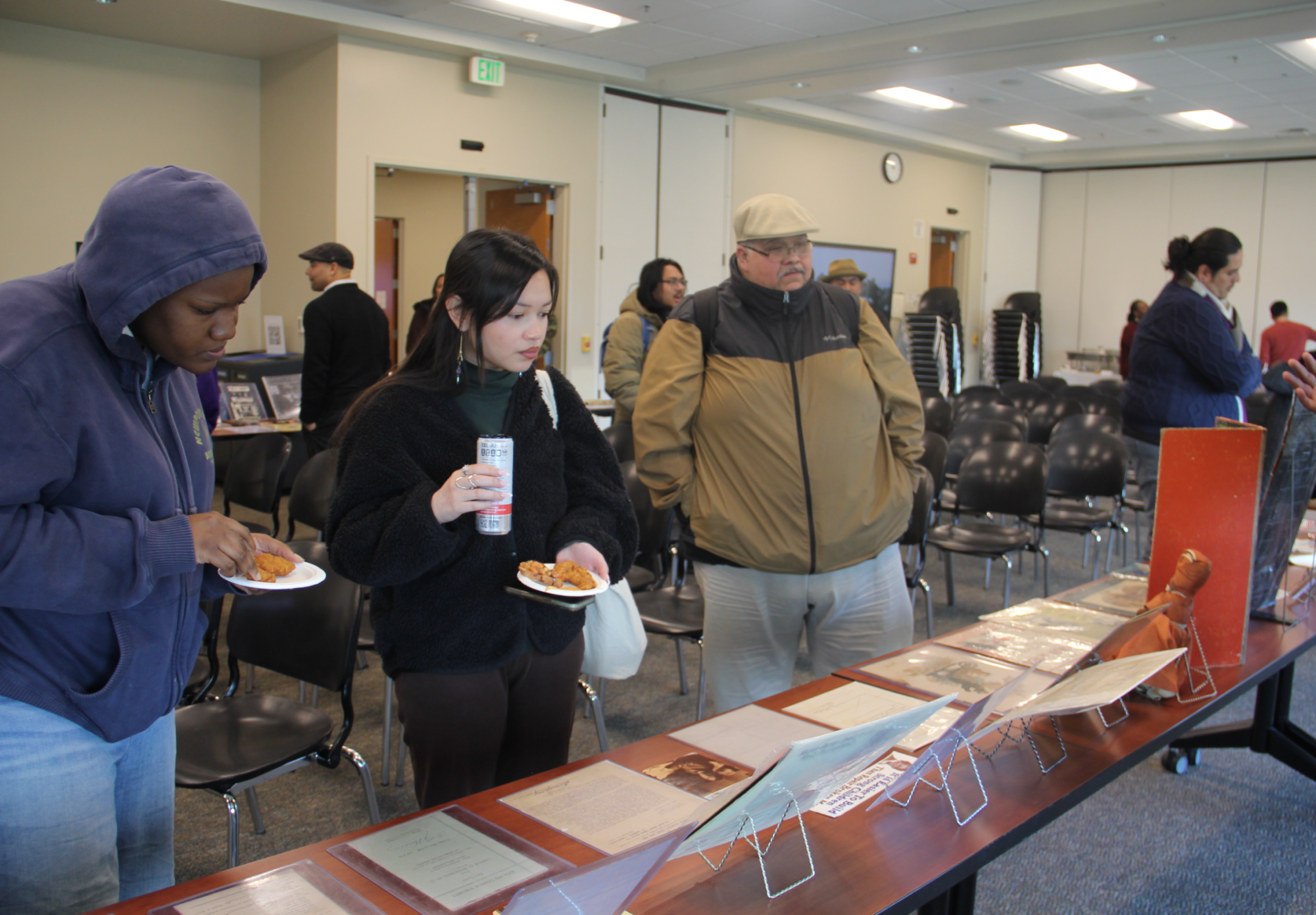
The Mobile Museum travelled across 43 states — Skyline College being one of their destinations — organized by the head of the CIPHER Learning Community, Nate Nevado.
“The importance (of the museum) is really rooted, for me at least, that we don’t necessarily get the history of black history in our current educational systems, particularly from kindergarten to high school,” Nevado said.
While Umoja offers courses that support primarily Black students, many allies of the Black community can also take the time to educate themselves on African-American history, like through the Mobile Museum.
“When we come to a college like Skyline College, to be able to host the Black History Mobile Museum. It opens the door for the possibilities to learn about these, not behind a glass cage or in a museum but being able to pick up and feel and touch,” Nevado said. “I feel so empowered being able to learn about history in this way.”
While the Mobile Museum was up for just one day at Skyline, its artifacts surely left a trace of history that students will continuously want to look back on.
Keishia Jones, a student leader from the Black Student Union, emphasizes the importance of Skyline students being able to learn about Black history and engage with it.
“… it is an integral part of American history in general, like, it’s affected the entire world, that is how deep it is,” Jones said.
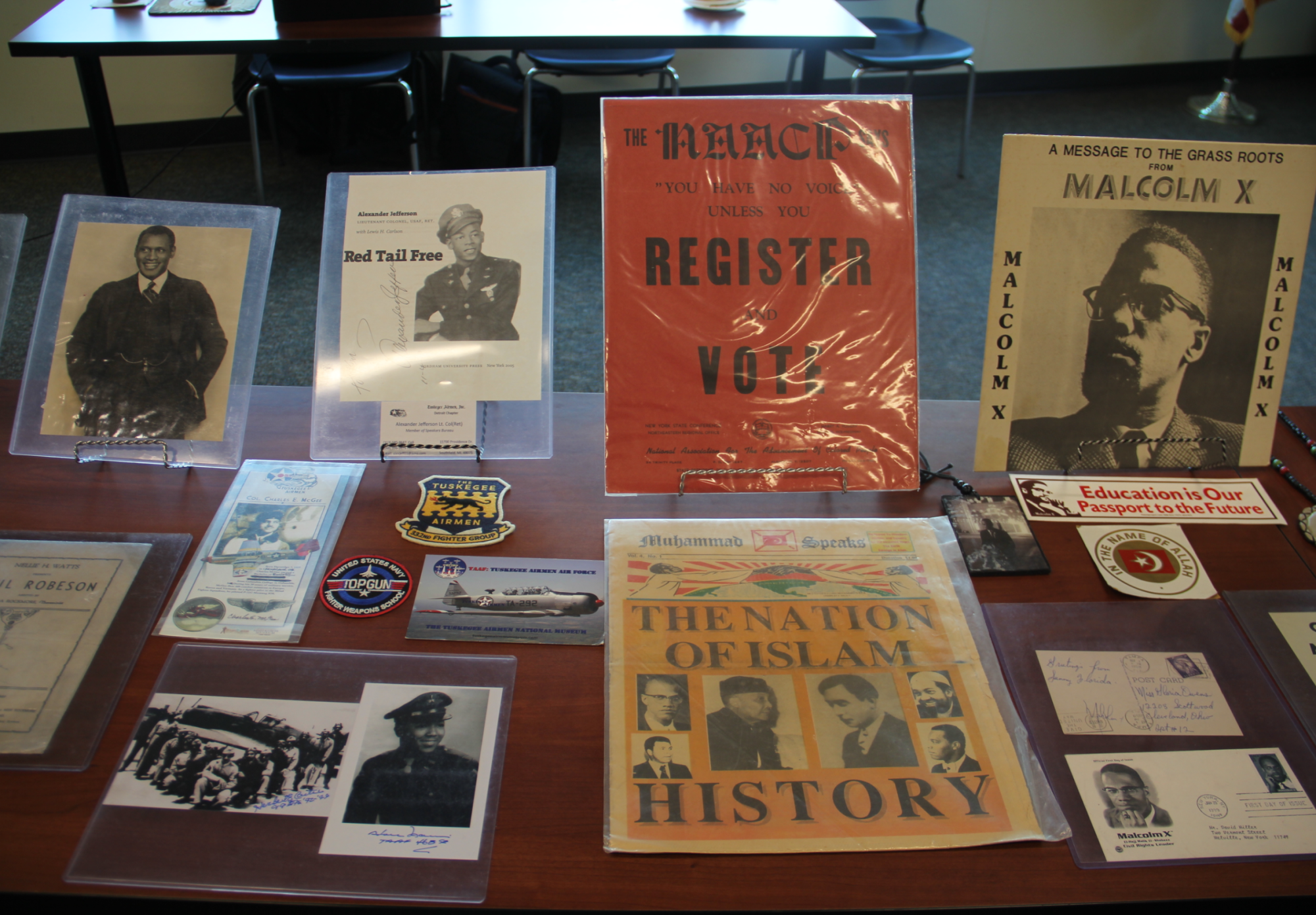
Khalil El Hakim, founder of the Mobile Museum, had shared receiving invitations from schools in Texas and Kentucky, but these invitations were later rescinded. Yet, his passion for sharing significant artifacts remains steadfast.
“After doing this for 30 years — as I thought I was coming out to finding these materials — I’ve come to realize that this material was coming to me,” Hakim said.
Although this year also marks the 100th year anniversary of celebrating February as Black History Month, Black history has existed for more than a century now. It is important that we continue to learn about accurate and inclusive history, and the significant role of Black people everyday.