
Growing up, you are often told that you are one of a kind, unique, that there is only one of you, but can that really be said when social media is turning everyone into copies of each other? Having social media is fun, you keep up with your friends, are in on the jokes and references everyone makes, see the new trends, but at what point does being online start to affect your own personality and individuality?
Trends have been around for a long time, especially within fashion. But instead of seeing what people are wearing just on TV or in magazines, there are so many people right on your phone telling you what’s “in”, and picking apart what’s “out.” An example of this is how harshly judged skinny jeans and side parts in hair became a few years ago. Whether you’re a fan or not, it has become “uncool” or seen as millennial and “out of style” to wear these pants or have your hair done this way along with a lot of other specifics within fashion. This can feel like there is a cap on what is acceptable to wear.
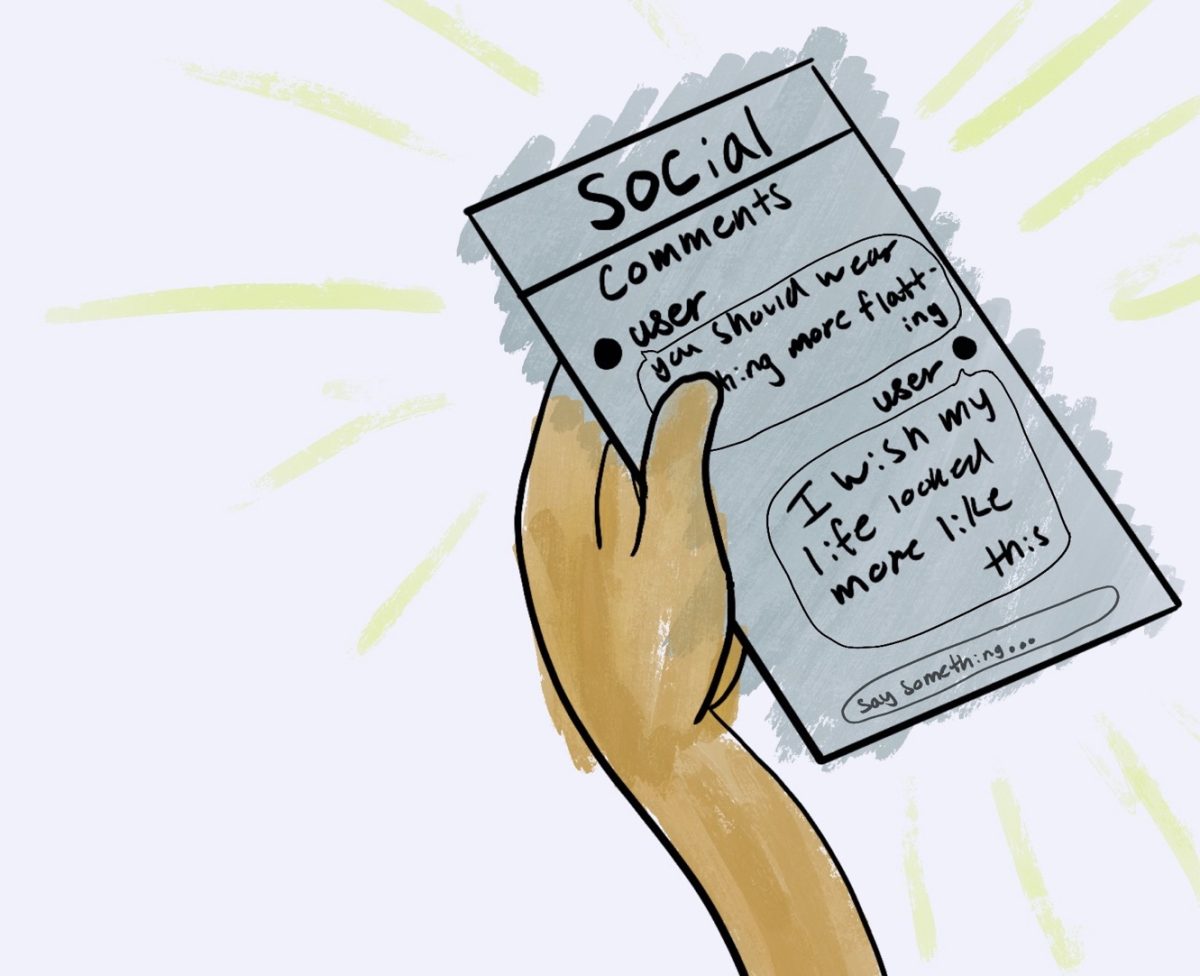
Along with this, there has been an uproar of videos mostly targeted towards women on what types of clothes they should or shouldn’t be wearing based on body type. While some may be interested, a lot of these videos come across as more of a rule people should follow versus an option or personal insight. It has gone as far as people commenting on others’ outfit videos telling them what they should be wearing based on their body type instead of what’s seen in the video.
There has been a lot of talk online over the past year about what color pallets match certain skin tones and how that affects the clothes and jewelry you should wear. You can even pay for someone to help you figure it out. Pushing an agenda and obtaining this obsession on what’s cool among your age group or what’s flattering with your skin and specific body type can make fashion feel less like a form of expressing yourself and more of a strict guideline you’re supposed to follow. Being more concerned by what social media says will look good on you and less about what you feel good in, can also cause mental health issues and distress within areas of self esteem and body dysphoria. How are you supposed to be confident when you lose your sense of self?
An extremely popular video genre, often seen online, are lifestyle videos. Within the short form content on apps like Instagram, TikTok or YouTube shorts, most of these videos consist of morning or night routines, restocking home appliances, cleaning videos, and workout routines. By watching the best parts of someone’s day, not only can these kinds of videos set a false standard of how your life should look, it also continues to support people’s items and lives looking very similar. For example, if you see someone’s house always clean and organized you may fall into buying those same clear bins. If you see someone going to the gym, you might feel the need to buy the same equipment and workout clothes. If you’re constantly being influenced to buy a certain piece of clothing, a new water bottle, accessory, or something of the sort, you might end up giving in to those influences.
While this adds to lack of individuality, it can also lead to overconsumption. People want to be a part of things and they want convenience; if enough videos suggest that you could obtain both by just spending more money, it’s bound to work on a good handful of people. With trends like “Song of the summer”, or others that imply everyone will be consuming or wearing a specific thing right now, it creates a sense of being left out if you don’t follow along.
Another way social media negatively influences individuality, are the current jokes or references kids to young adults are always making.
First there was vine, six seconds videos with quick humor; now there’s TikTok and Instagram reels. When a certain video blows up on one of these platforms, different aspects of it can get repeated and referenced. If you’re someone who doesn’t have social media or has very limited time on it, you can become out of the loop on which current video is the one everyone is referencing. This can lead to FOMO (Fear Of Missing Out), and can perpetuate the urge to be more active online so you can join in on the jokes with your friends. However, this may lose sense of your own unique humor and instead, repeat the same jokes along with everyone else.
With all of this noise clouding your own personality and judgment, it can make you feel like a shell of yourself and unaware of your own passions and taste. Unplugging for a bit and being aware of what is influencing you can help you recognize what aspects of things you truly enjoy and when you’re just following the masses.