

The San Mateo County Community College District shared results from its Fall 2025 survey, reporting 49% of students surveyed spent $50 or less on required course materials; 42% reported spending $50 or less on lab kits and supplies.
A total of 638 district students responded to the survey, with 538 completing it fully.
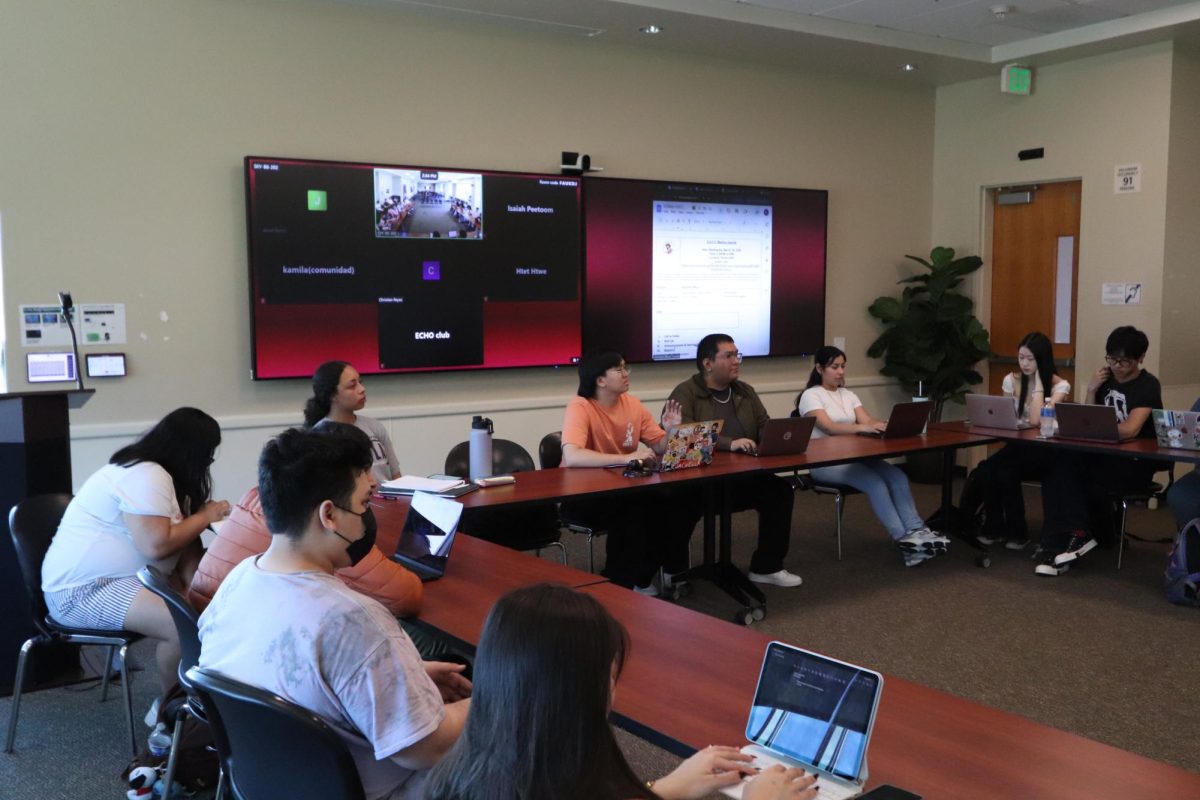
These findings come from the Affordable Instructional Materials survey, presented by Sarah Harmon, OER and ZTC program manager at Cañada College.
Harmon said the district surveyed students to reassess their needs, as zero-textbook-cost and low-textbook cost classes and programs became more developed since the last survey in 2021, especially with the start of Free College in January 2023.
Harmon’s presentation for students and faculty included statistics and student commentary, reflecting the growing impact of no-cost and low-cost courses across the district.
The results indicated the district’s maximum threshold of $40 for a “low-cost” course may still be too high. Most surveyed students considered between $20-$25 more affordable for a “low-cost” course.
Beyond costs, students answered in the open-ended survey questions that locating materials in Canvas was hard, they faced limited internet access and preferred printed materials over digital formats.
Harmon said these results come from students who are well aware of how to work around technology, and that the district doesn’t have the full picture.
Harmon also said the district can address these issues by improving course design and communication. The district will also continue to expand faculty training to bring knowledge on accessing these materials.
“We hear you, and we want to continue hearing from you,” Harmon said. “Ultimately, this work is ongoing, and student input plays a key role in shaping its future.”
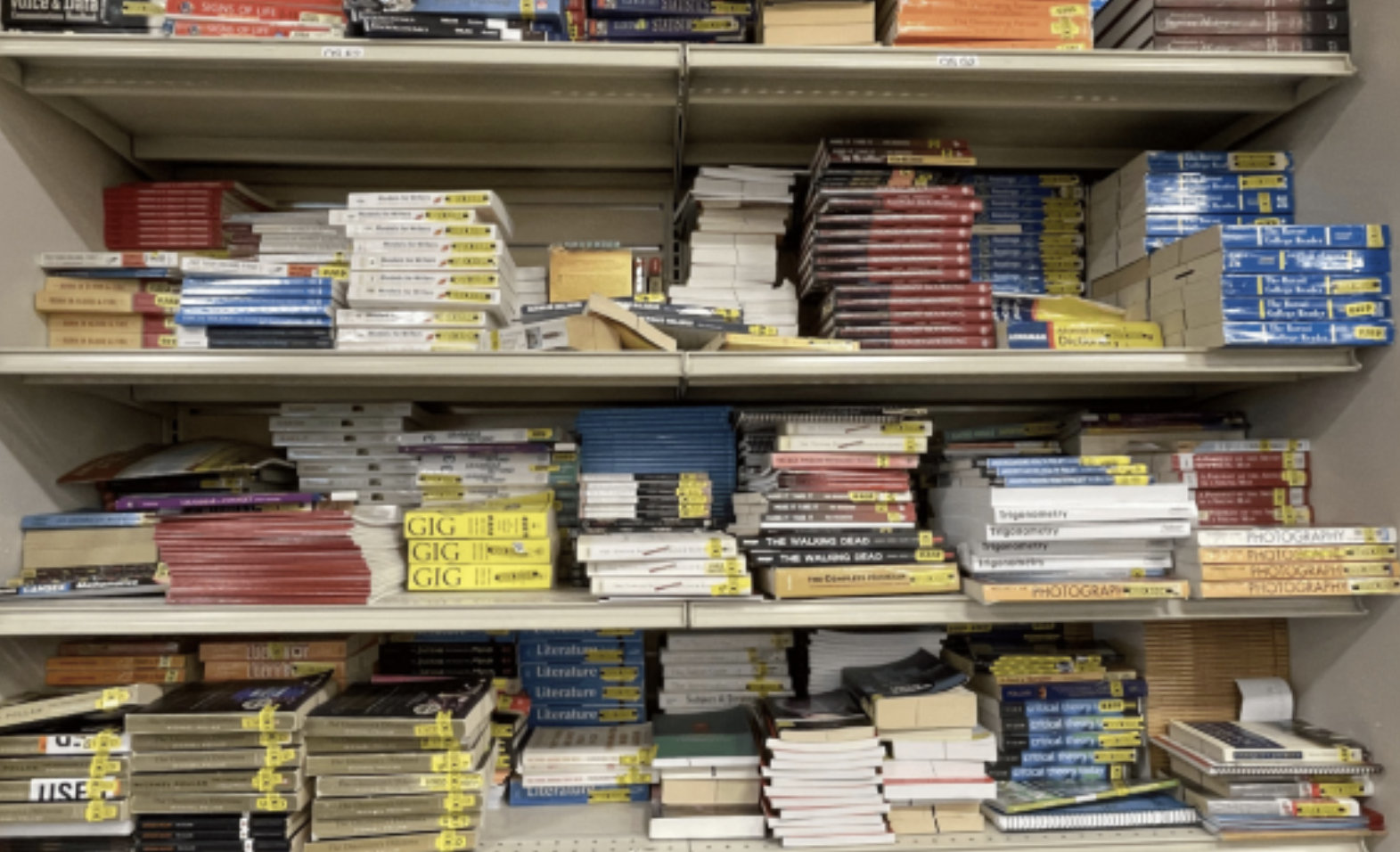
The district’s Open Education Week in early March featured a College of San Mateo event, “OE Week Interactive Exhibit: Rising Textbook Costs – Where Do You Fall?,” hosted by Lia Thomas, digital services librarian. The week-long exhibit invited students into CSM’s library to place markers on a scale to indicate how much they spent on textbooks this spring.
Most of the couple dozen participants reported spending $0 to $100. Some said they spent over $700.
Thomas said the three campuses’ work promoting zero-cost textbooks and open educational resources has been “making an impact.” Thomas encouraged students to use tools like WebSchedule to identify no-cost and low-cost courses.
“I was pleasantly surprised,” Thomas said. “Not many students were spending over $200. Compared to my own experience as a student, where it was easy to spend over $200 in a semester, it seems like things are improving.”
However, not all students experience these costs in the same way.
Skyline business administration major student May Thet Nwe Tun, a Burmese international student, said her expenses for course materials are consistently higher than what the survey suggests for an average student.
“I usually have to spend about $150 on textbooks every semester,” Tun said.
Costs can fluctuate based on the courses. Tun recalled a recent semester that required online learning materials and quizzes for a business math course, totaling around $200.
As an international student, Tun is ineligible for the district’s Free College Program and has to pay an additional $368 per unit in nonresident tuition fees, on top of the $46 per unit Enrollment Fee, according to the Skyline College website.
Tun said she believes financial burden extends beyond materials alone. Unlike the majority of the survey respondents, Tun said she hasn’t benefited from zero-cost or low-cost courses.
Instead, she said she borrows materials from classmates who have already completed the course.
“I knew about people with in-state fees getting cheaper material costs than what international students get,” Tun said. “If there are also ways for us to get affordable materials and cheaper fees, that would be great.”
Harmon said district staff will keep tracking changes over time and improve.
SMCCCD’s Textbook Affordability Solutions Workgroup will continue to conduct surveys on material costs.