

The Associated Students of Skyline College election is underway, and as candidates prepare to submit their election packets and videos before the Thursday, April 9 deadline, one question remains: what comes next if they don’t win?
ASSC elections may be competitive, with nine executive and 11 senate positions available for candidates. However, students who are not elected still have opportunities to get involved in student government.
Jewel Rosetes, an ASSC senator, said that even if a student doesn’t earn a position, they can still be appointed in the fall to fill open spots, such as senators or other unfilled roles.
Another option for students to remain active in ASSC is the Center for Student Life and Leadership Development, which often works with student government.
Rosetes said that if she is not unable to receive a role in ASSC, she plans to work for Student Life.
“If I don’t get a position in ASSC, I would want to work for Student Life,” Rosetes said. “I think (Student Life) really helps if people need resources.”
Beyond running for a position, active participation from students in ASSC meetings and events allows student government to hear more student perspectives.
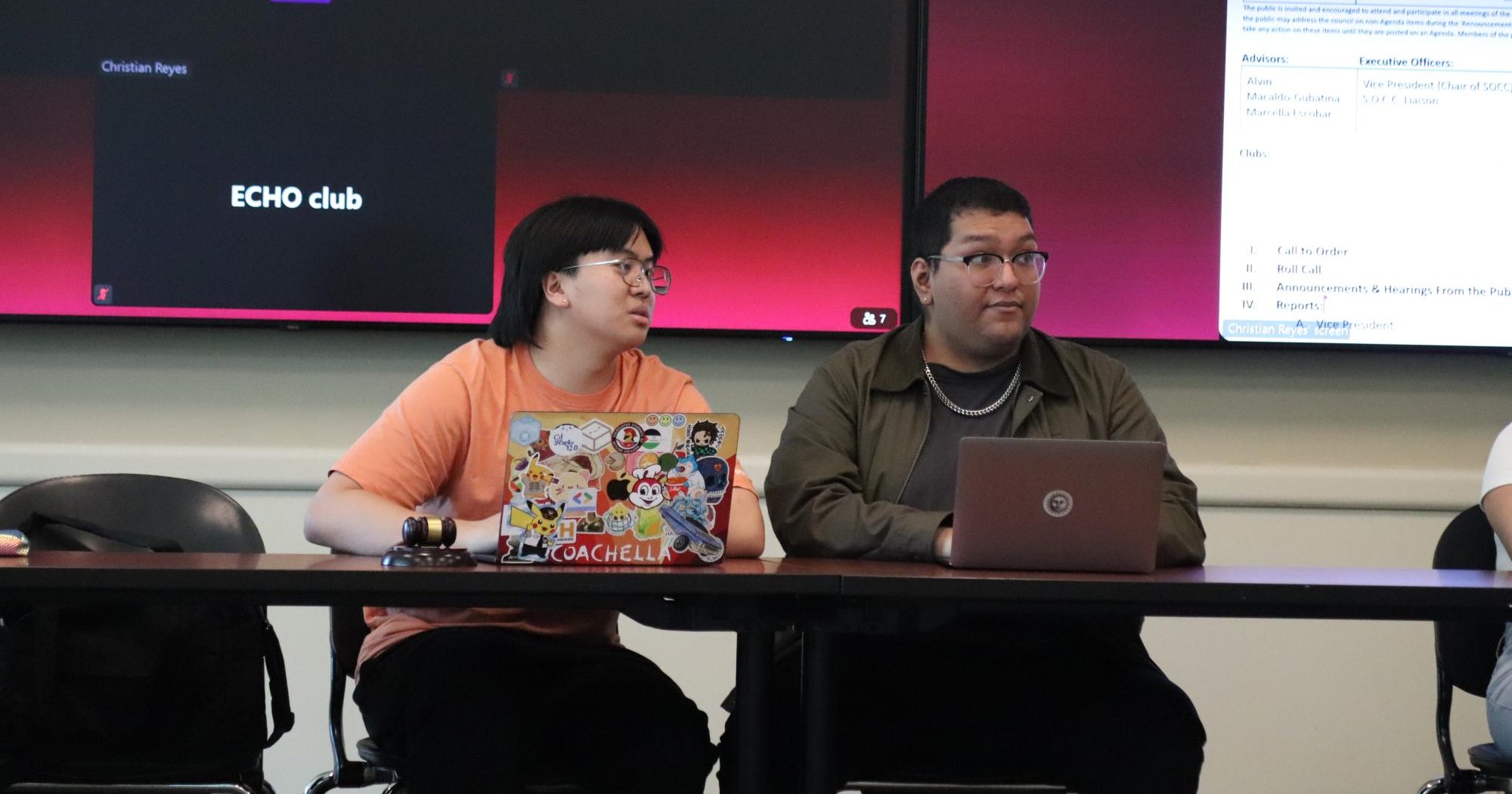
William Oo, ASSC president, said student government lets students raise concerns, from basic needs to student life and issues, and collectively find solutions. He added that when students outside of ASSC participate and stay engaged, it reduces stress around campus issues.
“If you’re one person, it’s hard to create change,” Oo said. “As a community, we can actually get things done.”
To support that level of involvement, the student government gave candidates more time to consider running.
Jarred Morris Ramos, ASSC vice president, said the Student Life released election packets in February, a month earlier than previous years. He said the change reflects his and other senators’ experiences, since he hesitated before running for office.
Rosetes said the early packet release helped students run for positions this year compared to the previous year.
“I think it helped get more people to run for the student government,” Rosetes said.
Ramos also said ASSC gives students who aren’t in student government opportunities to get involved.
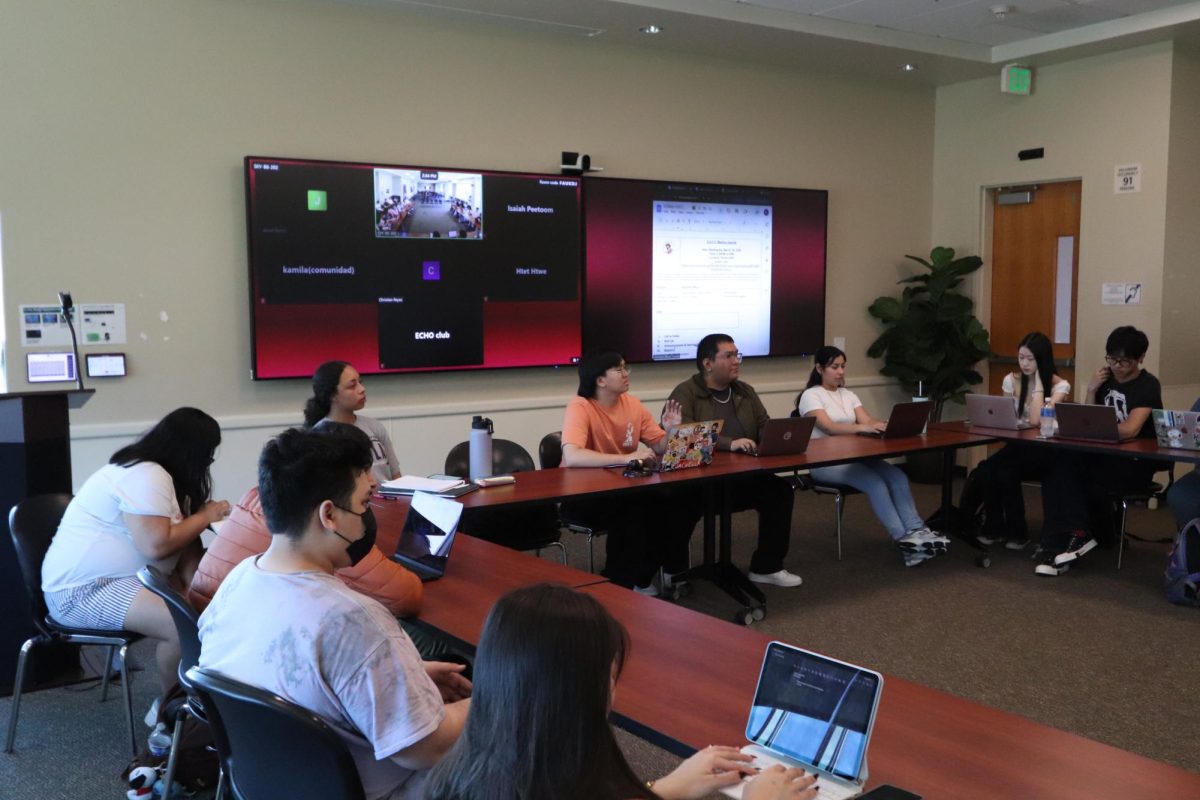
“Even if you’re not a voting member or in the senate, you can still attend all meetings,” Ramos said. “Have a voice by making public comments.”
Ramos said that while the student government always needs outside participation, it especially sees its value during elections, with ASSC encouraging students to vote.
Oo said ASSC works with faculty and administrators to represent students not just on campus, but also at the district and state level.
“Voting matters,” Oo said. “It decides who represents you and advocates for your needs.”